
DramaShorts: From Book to Screen
An interview with Leo Ovdiienko

This week, Behind the Verticals is excited to share with you a recent interview with Leo Ovdiienko, Co-CEO and Co-Founder of DramaShorts. Find out more about their book-to-screen business model, what role AI plays, what’s next for DramaShorts and the industry, and what really matters if you want to make it in the vertical drama space.
But first, this week’s global vertical drama news…

👀 Spotted:
Ex-Paramount & Disney execs join microdrama giant COL Group; Timothy Oh adds FlareFlow role.
Issa Rae’s new microdrama series nears 75 million views in first week.
Forbes: Why vertical drama’s next fight is over distribution.
Netflix’s new format-breaking thriller is officially a streaming hit.
Marina Elderton from Tattle TV is launching the British Vertical Microdrama Association.
You can support our work by becoming a paid subscriber. If you would like to work together, contribute a guest post, or have any vertical drama updates to share, send us an email.
🎙️ Interview with Leo Ovdiienko
Leo, your book-to-screen pipeline is a unique part of your business model. What global trends are you seeing emerge from that system, and which genres and storylines are consistently performing best?

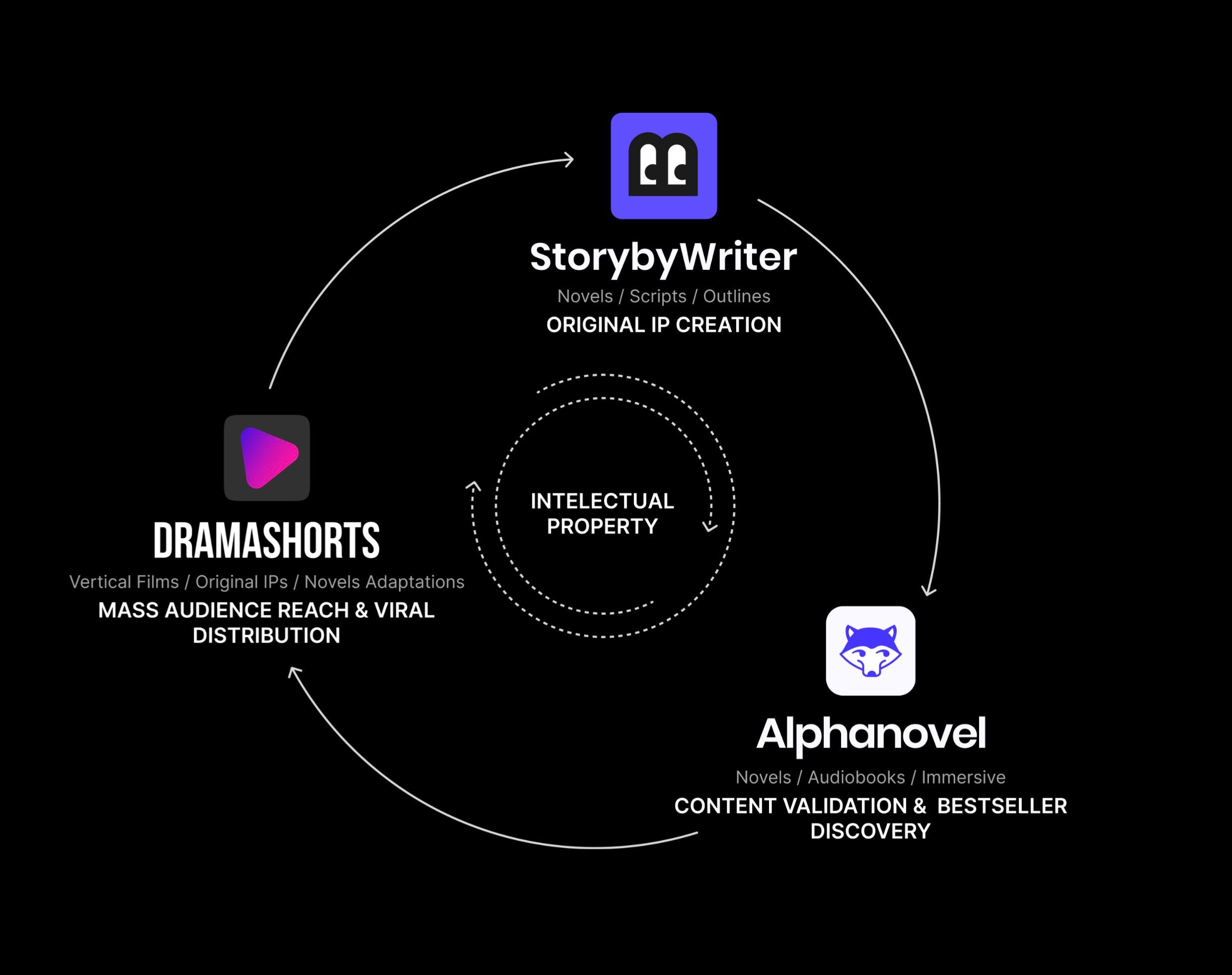
Having AlphaNovel in the same ecosystem means we’re not developing from gut instinct — we’re watching reader behavior in real time and making decisions based on that data. That matters more than people realize, because this space moves fast. What performed six months ago might feel oversaturated today. And what nobody’s touching right now? It could come back stronger in three months.
Werewolf romance was huge for a while—Luna Lola: The Moon Wolf, Alpha Rick—some of our strongest-performing titles came directly out of AlphaNovel’s catalog. Currently, CEO romance, mafia storylines, and fantasy are driving serious engagement. But the honest answer is: we don’t predict trends, we track them. Our analytics tell us where audiences stay, where they leave, and what brings them back — and that’s a much more useful signal than any trend report.
The pipeline matters because it collapses the distance between a reader finishing a chapter at midnight and us making a greenlight call. When the next wave builds — and it always does — we’re not scrambling to license something that’s already peaked. We’re already there.
What has been the most surprising insight your data has revealed about what audiences actually connect with, and how has that changed the way you greenlight or shape content?
